Starting a business usually sounds exciting right up until money becomes part of the conversation. That is where SBA loans tend to come in. They are often mentioned as one of the few realistic funding options for early-stage businesses, but the details can feel confusing at first. Different programs exist, requirements vary, and not every loan fits every type of startup.
In this guide, the goal is to make things clearer without overcomplicating it. We will walk through a list of the best SBA loan options for startups, explain how they differ, and talk about when each one actually makes sense. Some work better for businesses that already have traction, others are designed for smaller launches or specific needs. The idea is not just to list options, but to help you understand where each one fits in real life, before you spend weeks going through applications that may not suit your situation.

Get AI Perks – Supporting Startup Cost Control Beyond SBA Funding
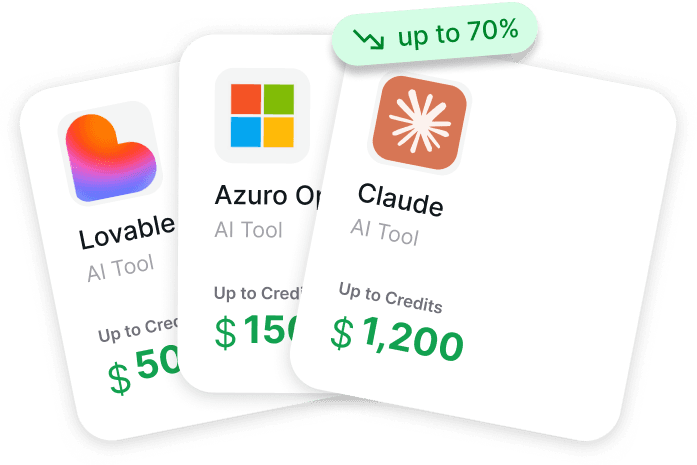
At Get AI Perks we bring together startup perks offered by software and infrastructure providers in one place, focusing on practical ways startups can reduce early operating costs. Many technology companies offer credits, extended trials, or discounted access for startups, but these programs are often spread across different platforms and not always easy to find or compare. These opportunities are organized and explained — including how startups can apply — so teams can quickly understand what is available without searching across multiple sources.
We position the platform alongside traditional funding rather than as a replacement for it. Startups using loans still need to manage expenses carefully, especially in the early stages when cash flow is not always stable. By collecting and structuring available perks, we help reduce some of the ongoing software and infrastructure costs that typically appear early in a company’s lifecycle, allowing founders to use loan funding more carefully across core business needs.
Exploring the Best SBA Loans for Startups

1. SBA 7(a) Loans
SBA 7(a) loans are presented as a government-backed financing option designed to help small businesses that may struggle to access traditional funding on their own. The loan itself comes from a lender, while the government guarantees part of it, which lowers risk for the bank and makes lending to newer businesses more possible. Within startup financing, this type of loan is commonly discussed because it can cover a wide range of business needs rather than being tied to one specific expense.
SBA 7(a) loans are typically used for practical startup costs such as equipment, working capital, refinancing existing obligations, or building out business premises. The application process tends to focus on preparation rather than speed, meaning lenders look closely at business plans, financial structure, and the founder’s experience in the industry. For startups that already have a clear direction and need structured long-term financing, this type of loan often becomes part of a broader funding strategy rather than a quick solution.
Key Highlights:
- Government-backed loan structure that reduces lender risk
- Flexible use across common startup expenses
- Can be used for refinancing existing business debt
- Requires structured application and supporting documentation
Who It’s Best For:
- Founders with a clear business plan and defined funding purpose
- Startups planning long-term investments or operational setup
- Businesses looking to consolidate or organize existing debt
- Entrepreneurs comfortable with a detailed application process

2. SBA Express Loans
SBA Express loans fall under the wider SBA loan program but are structured to move faster through approval and funding stages. The program is designed for small businesses and startups that need access to capital without going through a lengthy traditional lending process. Part of the loan is guaranteed by the SBA, which allows lenders to make decisions more quickly compared to standard SBA financing routes.
SBA Express loans are generally used for day-to-day operational needs, equipment purchases, inventory, or expansion activities. The structure allows funds to be applied across common business purposes as long as they fit SBA guidelines. Compared to other SBA options, the focus here is less on large long-term financing and more on accessibility and speed, which makes it relevant for startups dealing with immediate operational needs or timing constraints.
Key Highlights:
- Faster approval process compared to standard SBA programs
- Government-backed structure supporting lender participation
- Flexible use aligned with general SBA loan purposes
- Suitable for operational or short-term business needs
Who It’s Best For:
- Startups needing quicker access to working capital
- Businesses managing early operational expenses
- Founders who prefer a simpler application process
- Companies that do not require large-scale financing

3. SBA International Trade Loans
SBA International Trade Loans are structured for businesses that plan to expand into international markets or adjust operations because of global competition. The program sits within the wider SBA loan structure and focuses on helping companies strengthen production and operations connected to exporting goods or services. Funding is generally tied to improving facilities, equipment, or operational capacity inside the United States rather than financing overseas activity directly.
Within a startup context, this type of loan tends to make sense when international growth is part of the business model from an early stage. Funds can support modernization, expansion of production capabilities, or working capital related to export activity. Approval typically depends on showing that the business can realistically enter or grow in export markets and that the financing supports long-term operational improvement rather than short-term spending.
Key Highlights:
- SBA-guaranteed financing connected to export and international trade activity
- Funding tied to improving facilities, equipment, or production capacity
- Can support working capital related to export operations
- Similar structure and eligibility expectations to SBA 7(a) loans
Who It’s Best For:
- Startups planning to sell products in international markets
- Businesses expanding production for export demand
- Companies adjusting operations due to global competition
- Founders with a defined international growth plan

4. SBA 504 Loans
SBA 504 loans are designed around long-term investments in physical business assets rather than day-to-day operations. The program is delivered through Certified Development Companies, which work with lenders to finance projects tied to business growth and local economic development. The structure focuses on assets that have a long useful life, such as buildings, land, or major equipment.
For startups, this type of loan usually appears later in the early growth stage, once the business has a clear operational direction and needs permanent space or long-term infrastructure. Funds are typically used for purchasing property, constructing facilities, or modernizing existing locations. Because the loan is tied to fixed assets, it is not intended for working capital or inventory, which makes it more specialized compared to other SBA programs.
Key Highlights:
- Long-term financing focused on fixed assets and infrastructure
- Delivered through Certified Development Companies
- Intended for property, construction, or major equipment projects
- Structured around long-term business expansion
Who It’s Best For:
- Startups moving into permanent facilities or owned locations
- Businesses investing in long-term equipment or manufacturing assets
- Founders planning stable, long-term operational growth
- Companies that do not need working capital financing

5. SBA Microloans
SBA Microloans are smaller loans provided through nonprofit intermediary lenders that work directly with local businesses. The program is intended to help small businesses and early-stage startups access modest amounts of funding when traditional financing may not be practical. Along with funding, many intermediary lenders also provide guidance or basic business support as part of the process.
In early startup stages, microloans are often used for practical needs such as purchasing equipment, buying inventory, or covering initial operating expenses. The structure is simpler compared to larger SBA programs, though requirements and terms can vary depending on the intermediary lender. Because loan amounts are smaller, the program is usually seen as a starting point rather than a long-term financing solution.
Key Highlights:
- Smaller loan amounts aimed at early-stage businesses
- Provided through nonprofit intermediary lenders
- Can be used for equipment, inventory, and working capital
- Often paired with basic business support from lenders
Who It’s Best For:
- Early-stage startups needing limited funding
- Founders testing or launching a small operation
- Businesses without access to large-scale financing
- Entrepreneurs looking for localized lending support

6. SBA CAPLines
SBA CAPLines are structured as part of the broader SBA 7(a) program and are intended for businesses that deal with short-term or cyclical funding needs. The program includes several loan types designed around specific situations, such as contract work, construction projects, seasonal demand, or ongoing working capital requirements. Instead of funding long-term assets, CAPLines focus on helping businesses manage timing gaps between expenses and incoming revenue.
Within startup financing, CAPLines are usually relevant when income does not arrive evenly throughout the year or when projects require upfront costs before payment is received. Funds are typically tied to operational needs connected to contracts, seasonal inventory, or short-term expenses. The structure often works as a revolving or project-based facility, meaning access to capital depends on business activity rather than a single lump-sum loan.
Key Highlights:
- Part of the SBA 7(a) loan program designed for short-term needs
- Multiple structures including contract, builder, seasonal, and working capital lines
- Funds tied to operational or project-related expenses
- Intended for cyclical or timing-based financing needs
Who It’s Best For:
- Startups working on contracts or project-based revenue
- Businesses with seasonal sales cycles
- Companies managing inventory or payroll timing gaps
- Founders needing flexible access to working capital

7. Economic Injury Disaster Loans (EIDL)
Economic Injury Disaster Loans are designed to help small businesses continue operating after being affected by a declared disaster. The program focuses on providing working capital when normal business activity is disrupted and regular expenses become difficult to cover. The goal is not expansion but stabilization until operations return to normal conditions.
For startups, this type of loan typically becomes relevant only in specific circumstances, such as natural disasters or other officially declared events that directly impact business operations. Funds are generally used for ongoing operating expenses like rent, utilities, or payroll rather than growth initiatives. Because eligibility depends on external events, EIDL functions more as a recovery tool than a standard startup financing option.
Key Highlights:
- Disaster-related loan designed to support operational continuity
- Focused on working capital and necessary operating expenses
- Available only in declared disaster situations
- Structured around recovery rather than expansion
Who It’s Best For:
- Startups affected by declared disasters or major disruptions
- Businesses needing temporary operational support
- Companies unable to access traditional credit after a disaster
- Founders focused on maintaining operations during recovery periods

8. Military Reservist Economic Injury Disaster Loan (MREIDL)
Military Reservist Economic Injury Disaster Loans are intended for businesses that experience operational disruption when an essential employee is called to active military duty. The program is structured to help businesses continue covering ordinary operating expenses during the absence of that employee. The focus remains on maintaining stability rather than supporting growth or expansion.
In practice, this loan applies to a narrow situation but can be relevant for small businesses where one individual plays a critical operational role. Funds are used to manage ongoing expenses while the business adjusts to temporary staffing or operational gaps. The structure reflects the broader SBA disaster assistance approach, where financing is tied to maintaining business continuity rather than funding new projects.
Key Highlights:
- Disaster assistance loan tied to military reservist activation
- Intended to cover ordinary operating expenses
- Focused on maintaining business operations during disruption
- Available only under specific eligibility conditions
Who It’s Best For:
- Small businesses dependent on a key employee called to active duty
- Startups needing temporary operational support during absence
- Companies facing short-term disruption rather than growth needs
- Founders seeking continuity funding in limited circumstances

9. SBA 7(a) Veterans Advantage Program
The SBA 7(a) Veterans Advantage Program is structured for small businesses that are majority owned by veterans, active duty service members, or eligible spouses. It operates within the standard SBA 7(a) framework, which means the overall loan structure, repayment terms, and general eligibility expectations remain similar to other 7(a) loans. The main difference comes from how certain fees are handled, with adjustments intended to reduce upfront costs for eligible borrowers.
In a startup context, the program usually fits founders who already meet SBA lending requirements but qualify through military service ownership criteria. The funds can be used in the same way as standard 7(a) loans, including working capital, startup expenses, or business acquisition costs. Rather than introducing a separate loan structure, the program modifies existing terms to make financing more accessible for businesses connected to military service.
Key Highlights:
- Part of the SBA 7(a) loan program with adjusted fee structure for eligible owners
- Available to businesses majority owned by veterans or eligible spouses
- Similar loan structure and permitted uses as standard 7(a) financing
- Focus on reducing certain upfront guaranty fees
Who It’s Best For:
- Veteran-owned startups seeking SBA-backed financing
- Businesses owned by active duty service members or eligible spouses
- Founders who meet SBA 7(a) eligibility requirements
- Startups looking for standard SBA funding with modified fee terms

10. SBA Small Loan Advantage Program
The SBA Small Loan Advantage Program was introduced to increase access to smaller loan amounts for businesses that may not require large-scale financing. The structure focuses on lower dollar loans and aims to make the approval process more streamlined by allowing lenders to receive an early indication of whether an applicant meets SBA credit standards. The program is commonly used for working capital and general business needs rather than long-term asset purchases.
For startups, this type of financing often fits situations where funding needs are limited but timing still matters. The loan size and structure make it more suitable for early operational expenses or modest expansion steps rather than large investments. Because the program centers around smaller loan amounts, it tends to be positioned as an entry point into SBA lending rather than a long-term financing solution.
Key Highlights:
- Designed around smaller SBA loan amounts
- Focus on working capital and operational expenses
- Streamlined pre-qualification process for lenders
- Part of broader SBA efforts to support smaller businesses
Who It’s Best For:
- Startups needing smaller amounts of funding
- Founders covering early operational or setup costs
- Businesses seeking simpler SBA loan entry points
- Companies not requiring large-scale financing
Conclusion
SBA loans are often talked about as if there is one clear choice for every startup, but in reality it rarely works that way. Each program exists for a different reason, and the right option usually depends less on the loan itself and more on where the business actually stands. Some startups need help managing cash flow or seasonal swings, others are investing in equipment or facilities, and sometimes financing only becomes relevant when something unexpected disrupts operations. Looking at the structure behind each loan tends to make the decision clearer than focusing on labels.
For most founders, the useful takeaway is that SBA financing is not just about getting access to money. It is about matching the type of funding to the way the business operates and grows. Taking a little time to understand how these programs are meant to be used can prevent unnecessary complexity later on. A loan that fits the business model usually feels manageable over time, while the wrong one tends to create pressure. Startups that approach SBA loans with that mindset tend to make more practical decisions, even if the process takes a bit longer at the start.