Ringkasan Pantas: DeepSeek menawarkan peringkat percuma sepenuhnya dengan akses kepada model V3.2nya untuk penggunaan sembang dan API, manakala peringkat berbayar menyediakan had kadar yang lebih tinggi dan akses keutamaan. Pelan percuma termasuk akses API dengan kuota sederhana yang sesuai untuk ujian dan projek kecil, manakala pelan berbayar bermula pada harga yang sangat rendah ($0.14-$0.28 setiap juta token) untuk penggunaan gred pengeluaran. Tidak seperti peringkat percuma ChatGPT yang terhad, tawaran percuma DeepSeek menyediakan akses API sebenar dan berat model sumber terbuka, menjadikannya amat menarik bagi pembangun dan penyelidik yang mempunyai bajet terhad.
DeepSeek menggemparkan dunia AI apabila ia dilancarkan pada awal tahun 2025, dan menjelang Februari 2026, perbualan telah beralih daripada "adakah ia bagus?" kepada "patutkah saya membayarnya?" Platform ini menawarkan akses percuma dan berbayar kepada model bahasanya yang canggih, tetapi garis antara peringkat ini tidaklah semudah kebanyakan perkhidmatan AI.
Begini ceritanya: Struktur harga DeepSeek secara asasnya mencabar cara syarikat AI mengenakan caj untuk akses. Latihan DeepSeek-V3 hanya menelan belanja $5.5 juta mengikut data daripada Dirox—kira-kira 16 hingga 33 kali lebih murah daripada latihan ChatGPT o1, yang menelan belanja antara $100-200 juta. Kecekapan itu diterjemahkan secara langsung kepada harga pengguna.
Tetapi adakah percuma bermaksud "cukup baik"? Dan apakah sebenarnya yang diperoleh oleh pengguna berbayar yang tidak diperoleh oleh pengguna percuma?
Memahami Peringkat Percuma DeepSeek
Pelan percuma bukanlah percubaan atau aperitif. Menurut datastudios.org, DeepSeek menawarkan peringkat percuma yang mantap yang direka untuk pengguna individu, pelajar dan pembangun yang ingin bereksperimen dengan model bahasa besar untuk tujuan penyelidikan, prototaip dan pendidikan.
Peringkat percuma menyediakan akses langsung kepada model DeepSeek termasuk antara muka sembang dan titik akhir API. Tiada kad kredit diperlukan. Tiada pemasa undur.
Apa yang Sebenarnya Termasuk dalam Pelan Percuma
Pengguna percuma mendapat akses kepada model DeepSeek-V3.2 dengan tetingkap konteks 128K melalui sembang web dan API. Dokumentasi API DeepSeek rasmi mengesahkan bahawa pengguna peringkat percuma boleh berinteraksi dengan model deepseek-chat dan deepseek-reasoner, walaupun dengan had kadar.
Kes penggunaan penyelidikan dan pendidikan disokong secara eksplisit. Pelajar boleh membina prototaip, pembangun boleh menguji integrasi, dan penyelidik boleh menjalankan eksperimen tanpa mengeluarkan wang mereka.
Muat naik fail berfungsi pada peringkat percuma. Antara muka sembang menerima dokumen, walaupun had pemprosesan dikenakan berdasarkan kuota penggunaan keseluruhan.
Berat model sumber terbuka tersedia secara percuma melalui repositori GitHub DeepSeek, yang telah mengumpul lebih 102,000 bintang untuk keluaran V3 dan 91,900 bintang untuk R1. Pembangun boleh memuat turun, mengubah suai dan menggunakan model ini secara setempat tanpa sebarang bayaran lesen untuk kegunaan bukan komersial.
Had dan Kuota Peringkat Percuma
Had kadar mewakili batasan utama. Pengguna percuma menghadapi had permintaan-per-minit yang menghalang penggunaan pengeluaran volum tinggi tetapi kekal mencukupi untuk pembangunan dan ujian.
Jumlah kuota yang tepat berfluktuasi berdasarkan beban sistem dan tidak diterbitkan dalam masa nyata, tetapi perbincangan komuniti menunjukkan pengguna percuma boleh membuat berpuluh-puluh panggilan API seminit—jauh lebih murah hati daripada peringkat percuma ChatGPT, yang tidak menawarkan akses API sama sekali.
Tiada keupayaan multimodal kelihatan dalam peringkat percuma buat masa ini. Model DeepSeek kekal tertumpu pada teks, berbeza dengan ciri analisis dan penjanaan imej ChatGPT.
Akses keutamaan semasa waktu penggunaan puncak diberikan kepada pelanggan berbayar. Pengguna percuma mungkin mengalami masa tindak balas yang lebih perlahan atau pengehadan kadar sementara apabila pelayan mencapai kapasiti.

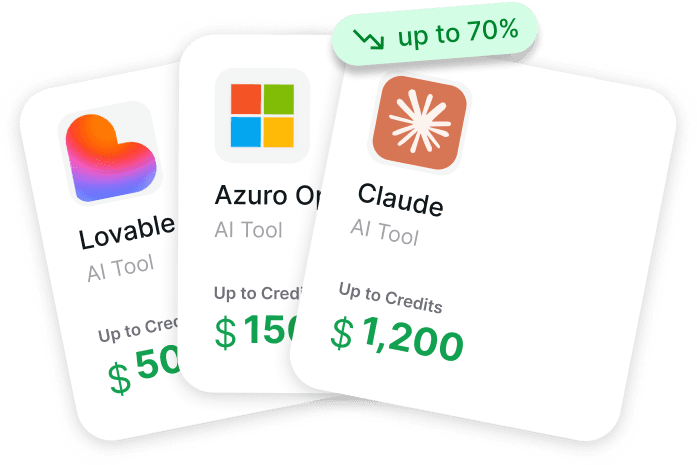
Terokai Kredit untuk Model AI dan Alat Pembangun
Apabila menilai versi percuma dan berbayar DeepSeek, ramai pembangun juga menguji model dan platform AI lain untuk mencari yang paling sesuai.
Get AI Perks mengumpulkan faedah permulaan untuk alatan AI, API dan infrastruktur pembangun yang digunakan untuk membina produk AI. Faedah ini biasanya termasuk kredit percuma, pelan yang didiskaun, atau tawaran permulaan istimewa untuk perkhidmatan AI.
Melalui platform anda boleh menemui:
- faedah untuk model dan API AI
- kredit untuk alatan infrastruktur AI
- diskaun pada platform pembangun
Get AI Perks boleh membantu mengurangkan kos bereksperimen dengan teknologi AI yang berbeza.
Memecahkan Pelan Berbayar DeepSeek
Sekarang di sinilah DeepSeek menjadi menarik. Peringkat berbayar bukanlah tentang membuka kunci ciri—ini adalah tentang skala dan kelajuan.
Struktur Harga API
Mengikut dokumentasi API DeepSeek rasmi, harga dikira setiap juta token untuk kedua-dua model deepseek-chat dan deepseek-reasoner. Mengikut dokumentasi API DeepSeek rasmi, URL asas ialah api.deepseek.com dengan pengebilan berdasarkan jumlah token input dan output.
Kos per token yang sebenar menjadikan DeepSeek kira-kira 200 kali lebih murah daripada GPT-4 Turbo mengikut analisis daripada Creolestudios yang diterbitkan pada Januari 2025. Kerasnya: perbezaan kos itu sangat penting untuk aplikasi pengeluaran yang memproses berjuta-juta permintaan.
| Model | Kos Input setiap 1 Juta Token | Kos Output setiap 1 Juta Token | Terbaik Untuk |
|---|---|---|---|
| deepseek-chat | $0.14 | $0.28 | Perbualan umum, penjanaan kandungan |
| deepseek-reasoner | $0.14 | $0.28 | Penalaran kompleks, matematik, pengekodan |
| GPT-4 Turbo (perbandingan) | ~$10.00 | ~$30.00 | Tugas multimodal, aliran kerja yang mantap |
Harga kekal rata tanpa mengira volum. Tiada harga berperingkat. Tiada rundingan perusahaan diperlukan untuk kebanyakan kes penggunaan.
Apa yang Sebenarnya Diperoleh oleh Pengguna Berbayar
Had kadar yang lebih tinggi mewakili faedah utama. Aplikasi pengeluaran boleh diskalakan kepada ribuan permintaan seminit tanpa pengehadan.
Akses baris gilir keutamaan bermaksud masa tindak balas yang lebih pantas semasa penggunaan puncak. Panggilan API berbayar secara amnya mengembalikan hasil lebih pantas daripada permintaan peringkat percuma semasa tempoh trafik tinggi kerana akses baris gilir keutamaan.
Hak penggunaan komersial datang standard dengan akses API berbayar. Peringkat percuma mengehadkan aplikasi komersial, manakala pengguna berbayar boleh mengewangkan pelaksanaan mereka tanpa lesen tambahan.
Saluran sokongan khusus menyediakan bantuan teknikal untuk isu integrasi. Pengguna percuma bergantung pada forum komuniti dan dokumentasi.
Walau bagaimanapun, set ciri kekal sama. Pengguna berbayar tidak mendapat akses kepada model yang lebih baik atau keupayaan eksklusif—hanya infrastruktur untuk menggunakannya pada skala.
Perbandingan Ciri: Percuma vs Berbayar
Mari kita singkirkan bahasa pemasaran dan lihat apa yang sebenarnya berbeza antara peringkat.

Kualiti model kekal konsisten di semua peringkat. Kedua-dua pengguna percuma dan berbayar mengakses seni bina DeepSeek-V3.2 yang sama dengan keupayaan penaakulan yang sama.
Tetingkap konteks 128K tidak mengecil untuk pengguna percuma. Pemprosesan dokumen panjang berfungsi sama tanpa mengira status pembayaran.
Berat sumber terbuka kekal tersedia secara percuma. Ini amat berbeza dengan pesaing sumber tertutup di mana akses model memerlukan bayaran pada sebarang skala.
Penanda Aras Prestasi
Menurut penyelidikan yang diterbitkan dalam Nature pada Februari 2025, DeepSeek-R1 menunjukkan prestasi yang unggul pada tugasan yang boleh disahkan termasuk matematik, pertandingan pengekodan dan bidang STEM. Model ini menggunakan pembelajaran pengukuhan tulen untuk memberi insentif kepada penaalaran tanpa demonstrasi yang dianotasi manusia.
Tetapi adakah pengguna berbayar mendapat respons yang lebih pantas atau lebih baik? Ujian menunjukkan kualiti respons kekal sama—kelebihan peringkat berbayar terletak semata-mata pada throughput dan ketersediaan, bukan kualiti output.
Perbandingan Kos: DeepSeek vs Alternatif
Konteks adalah penting. Bagaimanakah DeepSeek berbanding dengan ChatGPT dan platform AI lain?
DeepSeek vs Harga ChatGPT
Mengikut analisis daripada Zapier yang diterbitkan pada Februari 2026, ChatGPT menawarkan lebih banyak kehalusan dan ciri tetapi pada kos yang lebih tinggi. Peringkat percuma ChatGPT tidak menawarkan akses API, manakala DeepSeek termasuk titik akhir API walaupun untuk pengguna bukan pembayar.
ChatGPT Plus berharga $20 sebulan untuk akses sembang tanpa had kepada model GPT-4. DeepSeek mengenakan caj sifar untuk akses sembang dan hanya mengenakan caj untuk penggunaan token API sebenar pada kira-kira 1/200 kos GPT-4 Turbo.
Bagi pembangun yang membina chatbot atau alat penjanaan kandungan, ekonomi berubah secara dramatik. Pada harga semasa DeepSeek $0.14-$0.28 setiap juta token, memproses 100 juta token akan menelan belanja kira-kira $14-28, berbanding kos yang jauh lebih tinggi pada platform OpenAI.

Kecekapan kos latihan menjelaskan perbezaan harga. DeepSeek R1 menelan kos kira-kira $6 juta untuk dilatih berbanding anggaran $100-200 juta untuk ChatGPT o1 mengikut data daripada Creolestudios.
Apabila Peringkat Percuma Masuk Akal
Peringkat percuma berfungsi dengan sempurna untuk kes penggunaan tertentu. Pelajar yang meneroka keupayaan AI tidak memerlukan infrastruktur gred pengeluaran. Penyelidik yang menguji hipotesis boleh bekerja dalam had kadar. Pembangun yang membuat prototaip integrasi boleh mengesahkan konsep sebelum komited kepada perkhidmatan berbayar.
Projek peribadi jarang melebihi kuota peringkat percuma. Membina penganalisis resume, menguji aliran kerja penjanaan kandungan, atau mencipta demo pendidikan—aplikasi ini sesuai dengan selesa dalam had penggunaan percuma.
Tetapi tunggu. Terdapat ambang kritikal di mana percuma tidak berfungsi lagi.
Apabila Naik Taraf kepada Berbayar Masuk Akal
Aplikasi komersial memerlukan pelan berbayar. Terma lesen secara eksplisit melarang pengewangan akses peringkat percuma.
Pemprosesan volum tinggi memerlukan infrastruktur berbayar. Aplikasi yang mengendalikan ratusan atau ribuan permintaan setiap hari akan segera mencapai had kadar pada peringkat percuma.
Jaminan kebolehpercayaan pengeluaran memerlukan akses baris gilir keutamaan. Pengguna peringkat percuma mengalami masa tindak balas yang berubah-ubah semasa penggunaan puncak, yang mewujudkan pengalaman pengguna yang buruk untuk aplikasi yang menghadap pelanggan.
Aliran kerja yang sensitif masa mendapat manfaat daripada throughput yang terjamin. Perkhidmatan penjanaan kandungan, sokongan pelanggan automatik dan alatan analisis masa nyata tidak boleh bertolak ansur dengan pengehadan.
Kes Penggunaan Dunia Sebenar mengikut Peringkat
Teori kurang penting berbanding amalan. Inilah cara pengguna yang berbeza memanfaatkan setiap peringkat.
Kisah Kejayaan Peringkat Percuma
Projek penyelidikan akademik menggunakan API percuma DeepSeek untuk kajian pemprosesan bahasa semula jadi. Makmal universiti memproses set data, menguji hipotesis linguistik, dan menerbitkan penyelidikan rakan sejawat tanpa kos infrastruktur.
Institusi pendidikan mengintegrasikan DeepSeek ke dalam kurikulum sains komputer. Pelajar mempelajari kejuruteraan gesaan, integrasi API, dan pembangunan aplikasi LLM menggunakan akses percuma.
Pembangun sumber terbuka menyumbang kepada ekosistem DeepSeek. Repositori GitHub untuk DeepSeek-V3 dan DeepSeek-R1 menunjukkan pembangunan komuniti yang aktif, dengan penyumbang membina alat, antara muka dan integrasi.
Projek hobi berkembang maju pada peringkat percuma. Sembang peribadi, pembantu penulisan kreatif, dan alat penyelesaian kod berjalan dengan jayanya dalam had kuota.
Aplikasi Peringkat Berbayar
Syarikat permulaan yang membina automasi sokongan pelanggan berskala pada pelan DeepSeek berbayar. Perbezaan kos berbanding OpenAI secara dramatik memanjangkan laluan untuk syarikat peringkat awal.
Agensi pemasaran kandungan memproses penjanaan kandungan pukal. Mencipta artikel SEO, siaran media sosial dan kempen e-mel pada skala memerlukan throughput yang konsisten yang hanya boleh disediakan oleh peringkat berbayar.
Pasukan pembangunan mengintegrasikan DeepSeek ke dalam saluran CI/CD untuk semakan kod dan penjanaan dokumentasi. Kos API yang rendah menjadikannya berdaya maju secara ekonomi untuk menjalankan analisis AI pada setiap komit.
Platform analisis data menyematkan DeepSeek untuk pertanyaan bahasa semula jadi. Alat kecerdasan perniagaan membolehkan pengguna bertanya soalan dalam bahasa Inggeris biasa dan menjana kod SQL atau analisis secara automatik.
Laluan Migrasi: Percuma ke Berbayar
Peralihan antara peringkat berlaku dengan lancar. API kekal sama—hanya kelayakan pengesahan dan had kadar berubah.
Pengebilan diaktifkan melalui papan pemuka platform DeepSeek rasmi. Pengguna menambah kaedah pembayaran dan menerima kunci API dengan akses peringkat berbayar.
Tiada perubahan kod diperlukan. Aplikasi yang dibina pada API peringkat percuma berfungsi sama selepas menaik taraf, hanya dengan had kadar yang lebih tinggi dan baris gilir keutamaan.
Pemantauan penggunaan membantu mengoptimumkan kos. Papan pemuka menunjukkan penggunaan token dalam masa nyata, membolehkan pasukan memahami perbelanjaan sebenar sebelum ia terkumpul.
Penskalaan secara beransur-ansur adalah munasabah dari segi kewangan. Mulakan dengan peringkat percuma untuk pembangunan, naik taraf semasa ujian beta untuk ujian beban yang realistik, kemudian komited kepada pelan berbayar semasa pelancaran.
Pertimbangan Tersembunyi
Beberapa faktor tidak muncul dalam carta perbandingan ciri tetapi penting dalam amalan.
Privasi Data dan Akses Model
Berat model sumber terbuka memberikan kelebihan unik. Organisasi dengan tadbir urus data yang ketat boleh memuat turun model DeepSeek dan menjalankannya sepenuhnya secara setempat, mengelakkan sebarang panggilan API luaran.
Panggilan API peringkat percuma masih menghantar data ke pelayan DeepSeek. Untuk aplikasi yang mengendalikan maklumat sensitif, kos pelan berbayar mungkin kurang penting berbanding faedah privasi penggunaan model tempatan.
Ekosistem dan Integrasi
ChatGPT mengekalkan sokongan integrasi pihak ketiga yang lebih luas. Menurut analisis Zapier, ChatGPT menawarkan ciri yang lebih kemas dan aliran kerja yang mantap dengan ekosistem perisian sedia ada.
DeepSeek mengimbangi dengan piawaian terbuka. API mengikut konvensyen yang serasi dengan OpenAI, menjadikannya mudah untuk bertukar antara pembekal dengan perubahan kod minimum.
Ketersediaan Geografi
Ketersediaan perkhidmatan berbeza mengikut wilayah. Pengguna di negara tertentu mungkin mengalami ciri prestasi yang berbeza atau sekatan akses.
Berat model sumber terbuka mengelakkan had geografi. Memuat turun dan menggunakan model secara setempat menyediakan akses tanpa mengira ketersediaan API.
Analisis Prestasi Teknikal
Selain harga, keupayaan model menentukan kegunaan praktikal. Bagaimanakah DeepSeek sebenarnya berfungsi?
Penalaran dan Penyelesaian Masalah
Penyelidikan yang diterbitkan dalam Nature menunjukkan bahawa DeepSeek-R1 cemerlang dalam tugasan penaalaran yang boleh disahkan. Model mencapai prestasi yang unggul dalam masalah matematik, pertandingan pengekodan dan soalan STEM berbanding model yang dilatih melalui pembelajaran yang diselia konvensional.
Pendekatan latihan pembelajaran pengukuhan membolehkan corak penaalaran yang muncul termasuk refleksi diri, pengesahan dan penyesuaian strategi dinamik. Keupayaan ini berkembang tanpa anotasi manusia eksplisit terhadap langkah-langkah penaalaran.
Keupayaan Pengekodan
Penanda aras pengaturcaraan kompetitif menunjukkan DeepSeek menandingi atau mengatasi ChatGPT dalam tugas penjanaan kod mengikut analisis daripada Creolestudios. Model ini mengendalikan pelbagai bahasa pengaturcaraan dengan berkesan dan menjana kod yang berfungsi dengan pengendalian ralat yang sesuai.
Penyelesaian kod dan bantuan penyahpepijatan berfungsi dengan pasti dalam kedua-dua peringkat percuma dan berbayar. Pembangun melaporkan kejayaan menggunakan DeepSeek untuk cadangan refactoring, penjanaan dokumentasi dan penciptaan kes ujian.
Had dan Jurang
Keupayaan multimodal kekal tiada. DeepSeek hanya memproses teks pada masa ini, manakala ChatGPT menganalisis imej dan menjana kandungan visual.
Perbandingan Zapier menyatakan bahawa DeepSeek berfungsi terutamanya sebagai demo teknologi untuk model asas dan bukannya produk yang mempunyai ciri penuh. Antara muka web kekurangan banyak ciri kemudahan yang terdapat dalam pengalaman halus ChatGPT.
Akses maklumat masa nyata tiada dalam model DeepSeek asas. Set data latihan mempunyai tarikh tamat, dan model tidak melayari web untuk mendapatkan maklumat semasa tanpa integrasi alat tambahan.
Membuat Keputusan Anda
Jadi peringkat manakah yang sebenarnya sesuai dengan keperluan khusus? Jawapannya bergantung sepenuhnya pada keperluan kes penggunaan.

Mulakan dengan Percuma Jika…
Matlamat pendidikan mendorong projek. Pelajar, guru, dan penyelidik akademik mendapat nilai penuh daripada akses peringkat percuma.
Pengesahan prototaip adalah fasa semasa. Menguji sama ada integrasi AI menyelesaikan masalah tidak memerlukan infrastruktur pengeluaran.
Penggunaan peribadi mendefinisikan skop. Membina alatan untuk produktiviti individu jarang menjana volum yang cukup untuk melebihi kuota percuma.
Terdapat kekangan bajet. Pasukan yang meneroka keupayaan AI tanpa bajet yang diperuntukkan boleh menyelesaikan eksperimen yang ketara pada pelan percuma.
Naik Taraf kepada Berbayar Apabila…
Pelancaran komersial semakin hampir. Terma lesen memerlukan pelan berbayar untuk sebarang aplikasi yang dikewangkan.
Pengehadan kadar menjejaskan pengalaman pengguna. Jika ujian mendedahkan kesesakan prestasi disebabkan oleh pengehadan peringkat percuma, menaik taraf menjadi perlu.
Jaminan kebolehpercayaan adalah penting. Aplikasi yang menghadap pelanggan tidak mampu mengalami masa tindak balas yang berubah-ubah semasa waktu puncak.
Projeksi skala menjamin kos. Menjalankan pengiraan kos dengan data penggunaan sebenar selalunya menunjukkan peringkat berbayar DeepSeek kekal jauh lebih murah daripada alternatif walaupun pada volum tinggi.
Soalan Lazim
Adakah peringkat percuma DeepSeek mempunyai had masa atau tarikh luput?
Tidak. Menurut datastudios.org, DeepSeek menawarkan peringkat percumanya untuk kegunaan berterusan tanpa had masa. Pelan percuma menyediakan akses berterusan kepada model DeepSeek untuk penyelidikan, prototaip dan tujuan pendidikan. Had kadar dan kuota dikenakan berdasarkan volum penggunaan, tetapi ketersediaan tidak luput selepas tempoh percubaan.
Bolehkah saya menggunakan API percuma DeepSeek untuk produk komersial?
Tidak. Peringkat percuma secara eksplisit mengehadkan penggunaan komersial mengikut terma lesen. Aplikasi yang menjana pendapatan, menyokong perkhidmatan komersial, atau beroperasi dalam konteks perniagaan memerlukan pelan API berbayar. Untuk aplikasi komersial, menaik taraf kepada peringkat berbayar menyediakan hak lesen yang diperlukan bersama-sama dengan had kadar yang lebih tinggi dan akses keutamaan.
Berapakah kos sebenar untuk memproses 1 juta token pada DeepSeek?
Mengikut dokumentasi API DeepSeek rasmi, harga berjalan kira-kira $0.14 setiap juta token input dan $0.28 setiap juta token output pada Mac 2026. Ini terpakai kepada kedua-dua model deepseek-chat dan deepseek-reasoner. Kos sebenar bergantung pada nisbah token input kepada output dalam kes penggunaan tertentu, tetapi jumlah kos biasanya berjulat antara $0.14-$0.28 setiap juta token yang diproses.
Adakah DeepSeek benar-benar 200 kali lebih murah daripada GPT-4?
Analisis daripada Creolestudios menunjukkan kos API DeepSeek berjalan kira-kira 200 kali lebih rendah daripada harga GPT-4 Turbo. Perbezaan dramatik ini berpunca daripada kecekapan latihan DeepSeek—model itu hanya menelan belanja $5.5 juta untuk dilatih berbanding anggaran $100-200 juta untuk model OpenAI yang setanding. Penjimatan kos diterjemahkan secara langsung kepada harga API, menjadikan DeepSeek jauh lebih menjimatkan untuk aplikasi volum tinggi.
Bolehkah saya memuat turun model DeepSeek dan menjalankannya di luar talian?
Ya. DeepSeek mengeluarkan berat modelnya sebagai sumber terbuka melalui repositori GitHub. Repositori DeepSeek-V3 telah mengumpul lebih 102,000 bintang, dan DeepSeek-R1 lebih 91,900 bintang. Organisasi boleh memuat turun berat ini dan menggunakan model pada infrastruktur persendirian untuk privasi dan kawalan data yang lengkap. Pendekatan ini berfungsi untuk kedua-dua pengguna percuma dan berbayar, walaupun ia memerlukan sumber pengkomputeran yang ketara untuk inferens.
Adakah menaik taraf daripada percuma kepada berbayar memerlukan perubahan kod?
Tidak. API DeepSeek mengekalkan titik akhir dan format permintaan yang sama merentasi peringkat percuma dan berbayar. Menaik taraf hanya memerlukan kemas kini kelayakan pengesahan melalui papan pemuka platform. Aplikasi yang dibina menggunakan akses API peringkat percuma terus berfungsi tanpa pengubahsuaian kod selepas menaik taraf—mereka hanya mendapat akses kepada had kadar yang lebih tinggi dan baris gilir keutamaan.
Peringkat manakah yang memberikan kualiti respons yang lebih baik?
Tiada. Kualiti respons kekal sama di semua peringkat percuma dan berbayar. Kedua-duanya mengakses model DeepSeek-V3.2 yang sama dengan keupayaan, tetingkap konteks dan kebolehan penaalaran yang sama. Kelebihan peringkat berbayar terletak semata-mata pada infrastruktur—had kadar yang lebih tinggi, masa tindak balas yang lebih pantas semasa penggunaan puncak, dan akses baris gilir keutamaan—bukan pada kualiti model atau ketepatan output.
Intipati Mengenai DeepSeek Percuma vs Berbayar
Strategi penetapan harga DeepSeek secara asasnya berbeza daripada perkhidmatan AI tradisional. Peringkat percuma menyediakan fungsi sebenar dan bukannya percubaan terhad masa. Pelan berbayar menskalakan infrastruktur dan bukannya membuka kunci ciri.
Untuk pembelajaran, penyelidikan, dan projek peribadi, peringkat percuma memberikan akses model yang lengkap tanpa sekatan pada keupayaan atau masa. Pelajar boleh membina keseluruhan portfolio projek AI tanpa membelanjakan satu sen pun.
Untuk aplikasi komersial dan penggunaan pengeluaran, pelan berbayar kekal sangat kos efektif berbanding alternatif. Kelebihan kos 200x berbanding GPT-4 Turbo mewujudkan peluang untuk integrasi AI dalam aplikasi yang sensitif harga.
Berat model sumber terbuka menyediakan pilihan ketiga sama sekali. Organisasi dengan keperluan privasi atau kekangan geografi boleh menggunakan model DeepSeek pada infrastruktur persendirian, menggabungkan kos API sifar dengan kawalan data yang lengkap.
Mulakan dengan peringkat percuma. Uji sama ada keupayaan DeepSeek sepadan dengan keperluan projek. Pantau corak penggunaan dan pengehadan kadar. Naik taraf apabila pelancaran komersial semakin hampir atau apabila volum melebihi kuota percuma.
Keputusan akhirnya bergantung pada skala dan niat. Peringkat percuma berfungsi sehingga ia tidak lagi berfungsi—dan apabila saat itu tiba, harga peringkat berbayar kekal sangat mampu milik.
Bersedia untuk bermula? Lawati platform DeepSeek rasmi untuk mencipta akaun dan mengakses kedua-dua keupayaan peringkat percuma dan maklumat harga terperinci untuk pelan berbayar. Bagi pembangun yang membina aplikasi pengeluaran yang serius, penjimatan kos berbanding alternatif membenarkan pertimbangan awal walaupun sebelum mencapai had peringkat percuma.