Resumen rápido: Los precios de Shopify en 2026 varían de $5/mes para el plan Starter a más de $2,300/mes para Shopify Plus. Los planes principales incluyen Starter ($5/mes), Basic ($39/mes, o $29 con facturación anual), Grow ($105/mes, o $79 con facturación anual) y Advanced ($399/mes, o $299 con facturación anual). Todos los planes incluyen tarifas de transacción, con tasas que disminuyen en los niveles más altos, además de costos adicionales por aplicaciones, temas y procesamiento de pagos.
Shopify se ha convertido en una de las plataformas de comercio electrónico más populares del planeta. Pero aquí está el asunto: los precios pueden volverse confusos rápidamente.
Claro, las tarifas de suscripción mensual parecen sencillas. Luego entran en juego las tarifas de transacción. Luego las tasas de procesamiento de pagos. Luego las aplicaciones. Luego los temas. En poco tiempo, ese plan "asequible" ya no parece tan simple.
Esta guía detalla exactamente cuánto cuesta Shopify en 2026, incluyendo cada nivel de plan, estructura de tarifas y gastos adicionales que vale la pena conocer. Sin relleno, sin discurso de ventas, solo los números reales.
Descripción general de los planes de precios de Shopify 2026
Shopify ofrece varios niveles de precios diseñados para diferentes tamaños y necesidades de negocio. La plataforma estructura sus precios en torno a suscripciones mensuales, con descuentos disponibles para compromisos anuales.
Según la página oficial de precios de Shopify, los planes anuales ahorran un 25 % en comparación con la facturación mensual. Esa es una parte importante si operas con márgenes ajustados.
La línea actual incluye cinco opciones principales: Starter, Basic, Grow, Advanced y Plus. Cada nivel desbloquea funciones adicionales, tarifas de transacción más bajas y mayor capacidad de venta.
Oferta promocional actual
Shopify ofrece actualmente una oferta promocional para tiendas nuevas: $1 al mes durante los primeros tres meses en planes seleccionados. Después de que finaliza el período promocional, entran en vigor los precios estándar.
Los nuevos comerciantes también pueden ganar hasta $10,000 en créditos a medida que venden, aunque se aplican requisitos de elegibilidad específicos. La plataforma ofrece una prueba gratuita de tres días sin necesidad de tarjeta de crédito.
Desglose de cada plan de Shopify
Cada nivel de precios se dirige a tipos de negocio específicos. Comprender qué está incluido, y qué no, ayuda a evitar costos sorpresivos en el futuro.
Plan Starter: $5/mes
El plan Starter representa el punto de entrada más asequible. Por $5 al mes, está diseñado para creadores y emprendedores que prueban ideas de productos sin construir una tienda en línea completa.
Qué está incluido:
- Vende a través de enlaces de productos compartidos en redes sociales, correo electrónico o aplicaciones de mensajería
- Tienda básica alojada por Shopify con pago móvil
- Aplicación POS Lite para ventas en persona
- Acceso a ventas en Instagram, Facebook y WhatsApp
¿El truco? Las tarifas de transacción son altas, un 5 % tanto para ventas en línea como en persona. Para proveedores de pago de terceros, esa tasa también se sitúa en el 5 %.
Este plan funciona para vendedores de comercio social o para aquellos que comienzan muy pequeños. Cualquiera que planee un volumen de ventas serio lo superará rápidamente.
Plan Basic: $39/mes (o $29 anual)
Según la página oficial de precios de Shopify, el plan Basic es su opción más popular. Está comercializado para emprendedores individuales que construyen su primera tienda en línea adecuada.
Costo mensual: $39 (o $29 al mes cuando se factura anualmente)
Características clave:
- Tienda en línea completa con productos ilimitados
- 10 ubicaciones de inventario
- Soporte de chat 24/7
- Ventas en persona por teléfono o dispositivo POS
- Múltiples canales de venta (redes sociales, mercados en línea)
Tasas de transacción (usando Shopify Payments):
- 2.9% + 30¢ por transacción en línea
- 2.6% + 10¢ por transacción en persona
- Tarifa del 2% para proveedores de pago de terceros
Shopify también ofrece un beneficio de "1% de devolución en ventas", que permite a los comerciantes ganar hasta $5,000 en créditos con el tiempo.
Plan Grow: $105/mes (o $79 anual)
Anteriormente llamado plan "Shopify", el nivel Grow se dirige a equipos pequeños listos para escalar operaciones. Los precios comienzan en $79 al mes cuando se factura anualmente.
Este nivel incluye todo lo del plan Basic, más:
- Informes y análisis profesionales
- Tarifas de transacción más bajas
- Hasta 5 cuentas de personal
- Precios y dominios internacionales
Las tasas de transacción mejoran:
- 2.7% + 30¢ en línea
- 2.5% + 10¢ en persona
- 1% para proveedores de pago de terceros
La diferencia de costo entre Basic y Grow representa un excelente valor para las empresas que procesan suficiente volumen donde las tarifas de transacción más bajas generan ahorros significativos.
Plan Advanced: $399/mes (o $299 anual)
El plan Advanced está dirigido a empresas establecidas con un volumen de ventas significativo. Con $299 mensuales (o con descuento con facturación anual), representa un salto sustancial en precio.
Pero esto es lo que cambia:
- Constructor de informes avanzado con análisis personalizados
- Tarifas de envío calculadas por terceros
- Hasta 15 cuentas de personal
- Las tarifas de transacción más bajas entre los planes estándar
Las tasas de transacción bajan aún más:
- 2.5% + 30¢ en línea
- 2.4% + 10¢ en persona
- 0.6% para proveedores de pago de terceros
Hablando en serio: este plan solo tiene sentido financiero cuando se procesan grandes volúmenes. Las tarifas de transacción más bajas deben compensar el costo mensual más alto.
Plan Plus: A partir de $2,300/mes
Shopify Plus representa el nivel empresarial. Los precios comienzan en $2,300 al mes para un compromiso de un año, pero los costos reales varían según el volumen de ventas y las necesidades específicas.
Este nivel no es de autoservicio. Los clientes potenciales de Plus trabajan directamente con el equipo de ventas de Shopify para obtener precios e implementación personalizados.
Plus incluye:
- Gestión de cuentas dedicada
- Cuentas de personal ilimitadas
- Automatización y flujos de trabajo avanzados
- Modificaciones personalizadas del proceso de pago
- Capacidades mayoristas y B2B
- Soporte prioritario
Las tarifas de transacción alcanzan sus tasas más bajas en Plus (a partir de 2.25% + 30¢ USD), aunque los porcentajes exactos dependen de los términos negociados. Los comerciantes pueden actualizar a suscripciones de tres años para obtener ahorros adicionales.
Comprender las tarifas de transacción de Shopify
Aquí es donde los precios se vuelven complicados. Cada plan de Shopify cobra tarifas de transacción, pero la estructura varía según el método de pago y el nivel del plan.
Shopify Payments vs. Procesadores de terceros
Shopify Payments es el procesador de pagos integrado de la plataforma. Usarlo elimina tarifas de transacción adicionales: los comerciantes solo pagan las tasas de procesamiento de tarjetas de crédito.
Usar un procesador de pagos de terceros (como PayPal, Stripe u otros) genera tarifas adicionales además de los propios cargos del procesador. Estas varían del 2% en Basic hasta el 0.6% en Advanced.
Ejemplo: En el plan Basic, aceptar un pago de $100 a través de PayPal significa pagar las tarifas de PayPal más un 2% adicional ($2) a Shopify. Eso se acumula rápidamente.
Tasas de procesamiento de tarjetas de crédito
Shopify Payments cobra tarifas de procesamiento de tarjetas de crédito que disminuyen a medida que aumentan los planes. Estas tasas varían según el país y la región.
Según la documentación oficial de Shopify, las tiendas con sede en EE. UU. ven estas tasas:
| Plan | Tasa en línea | Tasa en persona |
|---|---|---|
| Starter | 5% + 30¢ | 5% |
| Basic | 2.9% + 30¢ | 2.6% + 10¢ |
| Grow | 2.7% + 30¢ | 2.5% + 10¢ |
| Advanced | 2.5% + 30¢ | 2.4% + 10¢ |
Otros países ven tasas diferentes. Las tiendas europeas, por ejemplo, suelen ver tasas como 1.9% + €0.25 en Basic.

Costos adicionales más allá de las tarifas de suscripción
El costo del plan mensual y las tarifas de transacción representan solo una parte de los gastos totales de Shopify. Varios otros costos forman parte del presupuesto real.
Temas y diseño
Shopify ofrece temas gratuitos, pero muchos comerciantes optan por diseños premium. Los temas premium suelen oscilar entre $150 y $350 como compras únicas.
El desarrollo de temas personalizados cuesta significativamente más, desde $2,000 hasta más de $10,000, dependiendo de la complejidad y las tarifas del desarrollador.
Aplicaciones y extensiones
La App Store de Shopify contiene miles de complementos para funcionalidades como marketing por correo electrónico, gestión de inventario, herramientas de SEO y reseñas de clientes.
La mayoría de las aplicaciones útiles cobran tarifas de suscripción mensuales. Los costos varían enormemente:
- Aplicaciones básicas: $5-$15 por mes
- Aplicaciones de nivel medio: $20-$50 por mes
- Aplicaciones avanzadas: $100-$300+ por mes
Muchas tiendas ejecutan 5-10 aplicaciones simultáneamente. Eso suma fácilmente $100-$300 mensuales a los costos operativos.
Registro de nombres de dominio
Shopify incluye un subdominio myshopify.com gratuito, pero las tiendas profesionales necesitan dominios personalizados.
El registro de dominios a través de Shopify cuesta alrededor de $14 al año para dominios .com. Comprar a través de registradores externos como Namecheap o GoDaddy a menudo cuesta menos.
Tarifas de la pasarela de pago
Más allá de las tarifas de transacción de Shopify, los procesadores de pagos cobran sus propias tarifas. Incluso con Shopify Payments, se aplican tarifas de procesamiento de tarjetas de crédito como se describió anteriormente.
Usar procesadores de terceros agrega otra capa. PayPal, por ejemplo, cobra 2.9% + 30¢ por transacciones estándar en EE. UU., además de la tarifa de terceros de Shopify.
Cuándo los costos de Shopify aumentan con el tiempo
Los costos iniciales parecen manejables. Luego ocurre la escalada.
A medida que las tiendas crecen, varios factores elevan los gastos:
- Se agregan más aplicaciones: ¿Esa herramienta de marketing por correo electrónico? Ahora es esencial. ¿Esa aplicación de recuperación de carritos abandonados? No se puede vivir sin ella. Cada una reduce los márgenes.
- Aumenta el volumen de transacciones: Mayores ventas significan más tarifas de transacción. Incluso con porcentajes más bajos en planes mejorados, las cantidades absolutas en dólares aumentan.
- La expansión del personal requiere niveles más altos: Los equipos en crecimiento necesitan más cuentas de personal, lo que obliga a actualizar de Basic a Grow o Advanced.
- El desarrollo personalizado se vuelve necesario: Las funciones o integraciones únicas requieren tiempo de desarrollador a $50-$150+ por hora.
Muchos comerciantes informan que los costos mensuales reales pueden exceder las proyecciones iniciales al tener en cuenta las aplicaciones, las tarifas de transacción y los servicios adicionales.
Shopify vs Square: Comparación de tarifas de transacción
Square representa uno de los principales competidores de Shopify, particularmente para la venta minorista y en persona.
Las tasas de transacción de Square son fijas en todos los planes:
- 2.6% + 10¢ para transacciones en persona
- 2.9% + 30¢ para transacciones en línea
Estas tasas igualan o superan el plan Basic de Shopify, pero son más altas que los niveles Advanced o Plus.
La diferencia clave: Square no cobra tarifas de suscripción mensuales por funcionalidad básica. El plan gratuito incluye punto de venta, procesamiento de pagos y gestión básica de inventario.
Sin embargo, las capacidades de comercio electrónico de Square están por detrás de las de Shopify. El compromiso entre no tener tarifa mensual y tener funciones de venta en línea menos robustas define la elección.
Estructura de precios de Shopify POS
Shopify POS (punto de venta) permite vender en tiendas físicas junto con tiendas en línea. Todos los planes incluyen POS Lite, que maneja transacciones básicas en persona.
POS Pro cuesta $89 adicionales por mes por ubicación.
POS Pro agrega:
- PINs y cajas registradoras ilimitados para el personal
- Gestión avanzada de inventario
- Gestión de personal y permisos
- Informes por personal, producto y ubicación
Las empresas minoristas con ubicaciones físicas a menudo encuentran necesario POS Pro, lo que agrega otra capa a los costos mensuales.
Estrategias de ahorro para comerciantes de Shopify
Varias tácticas ayudan a reducir los costos totales de Shopify sin sacrificar la funcionalidad.
Paga anualmente
El descuento del 25% por facturación anual ahorra dinero significativo. En el plan Basic, eso son $120 anuales. En Grow, son $312 al año.
¿El inconveniente? Compromiso. Los planes anuales requieren esperar hasta el final del plazo para cancelar, aunque esto rara vez causa problemas para las empresas establecidas.
Usa Shopify Payments
Evitar las tarifas de procesadores de terceros reduce inmediatamente los costos. La tarifa adicional del 2% en las transacciones del plan Basic se acumula rápidamente.
Con $10,000 de ingresos mensuales, esa tarifa del 2% equivale a $200. Durante un año, son $2,400 ahorrados al usar Shopify Payments en su lugar.
Audita las suscripciones de aplicaciones mensualmente
Las aplicaciones se acumulan. Muchos comerciantes pagan por funcionalidades que ya no usan o que podrían consolidar.
Las auditorías mensuales de aplicaciones identifican suscripciones redundantes. Cortar solo tres aplicaciones de $20/mes ahorra $720 al año.
Comienza con temas gratuitos
Los temas gratuitos de Shopify se ven profesionales y funcionan bien. Dawn, el tema predeterminado, ofrece un diseño moderno y un rendimiento sólido.
Los temas premium brindan más opciones de personalización, pero los temas gratuitos funcionan perfectamente para la prueba y las primeras etapas de crecimiento.
Negocia los precios de Plus
Los comerciantes empresariales no deben aceptar la primera cotización de Plus. Los precios de Shopify Plus son negociables, especialmente para empresas de alto volumen o compromisos a más largo plazo.

Reduce tus costos de software de Shopify antes de pagar el precio completo
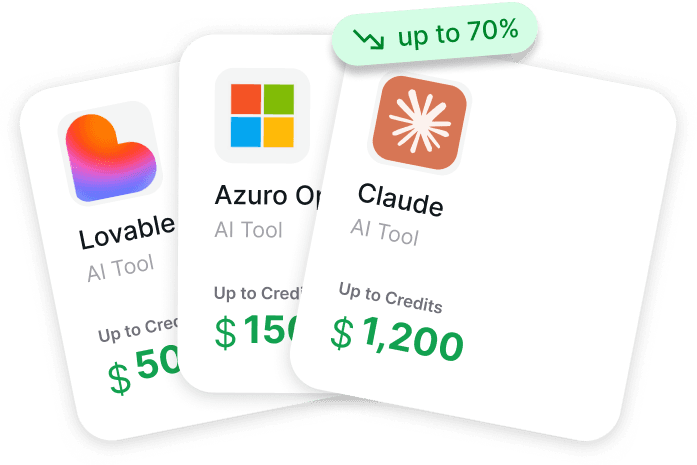
Ejecutar una tienda Shopify generalmente significa pagar por más que solo el plan de Shopify. Las herramientas de correo electrónico, las plataformas de automatización, el software de análisis y los servicios de IA se convierten rápidamente en parte del stack, y esas suscripciones se suman. Muchos fundadores pagan el precio completo simplemente porque no son conscientes de que existen créditos de inicio y descuentos en herramientas.
Get AI Perks recopila créditos y descuentos para herramientas de IA, SaaS y para desarrolladores en un solo lugar, lo que facilita la búsqueda de programas que reduzcan el costo de ejecutar el software de tu negocio. En lugar de buscar ofertas en docenas de proveedores, los equipos pueden ver rápidamente para qué ventajas califican.
Consulta Get AI Perks antes de suscribirte a nuevas herramientas y ve qué créditos o descuentos puedes reclamar.
¿Vale la pena el costo de Shopify?
La verdadera pregunta no es si Shopify cuesta dinero, obviamente lo hace. La pregunta es si el valor justifica el gasto.
Shopify se destaca en varias áreas:
- Confiabilidad: La plataforma mantiene un tiempo de actividad del 99.9 % según estadísticas oficiales. El tiempo de inactividad equivale directamente a ingresos perdidos, lo que hace que la confiabilidad sea valiosa.
- Optimización de la conversión: Según la página de comparación oficial de Shopify, la plataforma muestra una conversión un 15 % más alta en promedio en comparación con otras plataformas, con una conversión móvil un 91 % más alta usando Shop Pay en comparación con el pago estándar.
- Ecosistema: Los más de 150 millones de compradores en la aplicación Shop brindan acceso a una audiencia incorporada. La enorme tienda de aplicaciones resuelve prácticamente cualquier necesidad funcional.
- Escalabilidad: Shopify maneja tiendas desde pequeños emprendimientos de un solo producto hasta empresas que procesan millones a diario. La infraestructura escala sin cambios de plataforma.
Dicho esto, Shopify no siempre es la mejor opción. Las empresas con márgenes muy ajustados podrían tener dificultades con las tarifas de transacción. Los comerciantes que desean un control total sobre las experiencias de pago encuentran frustrantes las limitaciones.
Para la mayoría de las empresas de comercio electrónico, Shopify ofrece un valor sólido. El costo total —suscripción más tarifas más aplicaciones— generalmente representa entre el 3% y el 5% de los ingresos. Eso es razonable para una plataforma que maneja infraestructura crítica.
Elegir el plan adecuado de Shopify
Entonces, ¿qué plan tiene sentido?
- Elige Starter si: Estás probando ideas de productos a través de ventas sociales sin construir una tienda completa. Las expectativas de ingresos se sitúan por debajo de los $500 mensuales.
- Elige Basic si: Estás lanzando tu primera tienda en línea como emprendedor individual. Las proyecciones de ingresos oscilan entre $1,000 y $20,000 mensuales. El negocio no necesita informes avanzados ni cuentas de personal múltiples.
- Elige Grow si: Estás dirigiendo una tienda establecida con un equipo pequeño. Los ingresos mensuales superan los $20,000. Los informes profesionales y las tarifas de transacción más bajas justifican la diferencia de costo.
- Elige Advanced si: Estás procesando grandes volúmenes donde los ahorros en tarifas de transacción compensan el costo de suscripción más alto. El negocio necesita informes avanzados y cálculos de envío de terceros. Los equipos requieren 6+ cuentas de personal.
- Elige Plus si: Estás operando a escala empresarial con necesidades complejas. Los ingresos anuales superan el $1 millón. La empresa requiere personalización del pago, capacidades mayoristas o soporte dedicado.

Preguntas frecuentes
¿Cuánto se lleva Shopify por venta?
La parte de Shopify depende del plan y del método de pago utilizado. Con Shopify Payments en el plan Basic, espere 2.9% + 30¢ por transacción en línea y 2.6% + 10¢ para ventas en persona. Usar procesadores de terceros agrega una tarifa adicional del 2%. Los planes superiores reducen estas tasas: Advanced baja a 2.5% + 30¢ en línea y 0.6% para procesadores de terceros.
¿Puedo cambiar de plan de Shopify en cualquier momento?
Sí, las suscripciones mensuales permiten cambios de plan en cualquier momento. Las actualizaciones entran en vigor de inmediato, mientras que las reducciones se aplican en el próximo ciclo de facturación. Las suscripciones anuales requieren esperar hasta que finalice el plazo del contrato antes de reducir el nivel, aunque las actualizaciones siguen disponibles. Shopify prorratea los cargos al cambiar entre planes a mitad de ciclo.
¿Tiene Shopify un plan completamente gratuito?
No existe un plan totalmente gratuito. Shopify ofrece una prueba gratuita de tres días sin necesidad de información de tarjeta de crédito. Después de la prueba, el costo mínimo es de $5 al mes para el plan Starter. La oferta promocional de $1/mes durante tres meses se aplica a planes seleccionados para nuevos comerciantes, pero eventualmente, se aplican los precios estándar.
¿Qué métodos de pago acepta Shopify?
Shopify acepta las principales tarjetas de crédito (Visa, Mastercard, American Express), tarjetas de débito, Apple Pay, Google Pay y Shop Pay a través de Shopify Payments. Los comerciantes también pueden integrar procesadores de terceros como PayPal, Stripe o pasarelas de pago locales según su país. Cada método de pago puede tener diferentes tarifas de procesamiento.
¿Hay tarifas de configuración para Shopify?
Shopify no cobra tarifas de configuración ni costos de activación ocultos. Los comerciantes solo pagan la tarifa de suscripción de su plan elegido. Sin embargo, la configuración inicial de la tienda puede incurrir en costos opcionales por temas premium ($150-$350), aplicaciones con tarifas de suscripción, registro de dominio personalizado ($14+/año) o servicios profesionales si se contratan desarrolladores o diseñadores.
¿Puedo cancelar mi suscripción a Shopify?
Sí, Shopify permite la cancelación en cualquier momento para los planes mensuales. Navegue a Configuración, luego Planes y seleccione Cancelar suscripción. Para los planes anuales, la cancelación es efectiva al final del plazo. Shopify no ofrece reembolsos por partes no utilizadas de los períodos de facturación. Los datos de la tienda permanecen accesibles durante un corto período después de la cancelación antes de la eliminación permanente.
¿Cómo se comparan las tarifas de transacción de Shopify con las de sus competidores?
Las tarifas de Shopify son competitivas pero no siempre las más bajas. Square cobra 2.9% + 30¢ en línea y 2.6% + 10¢ en persona sin tarifa mensual. WooCommerce (en WordPress) no tiene tarifas de transacción de plataforma, solo cargos de pasarela de pago. BigCommerce incluye cero tarifas de transacción en todos los planes. Sin embargo, el ecosistema, la confiabilidad y la optimización de la conversión de Shopify a menudo justifican costos ligeramente más altos.
Reflexiones finales sobre los precios de Shopify
Los precios de Shopify en 2026 siguen siendo sencillos en la superficie pero en capas debajo. Las suscripciones mensuales varían de $5 a más de $2,300, las tarifas de transacción varían según el plan y el método de pago, y los costos adicionales se acumulan a través de aplicaciones, temas y desarrollo.
Para la mayoría de las empresas de comercio electrónico, la inversión total cuadra. La confiabilidad de la plataforma, las tasas de conversión y el extenso ecosistema justifican los costos que generalmente oscilan entre el 3% y el 5% de los ingresos.
La clave es comprender el costo total de propiedad antes de comprometerse. Tenga en cuenta no solo la tarifa del plan mensual, sino también las tasas de transacción, las aplicaciones necesarias y los posibles gastos de escalada.
Comienza con la prueba gratuita. Prueba la plataforma con el plan Basic. Escala a medida que los ingresos justifiquen niveles más altos y sus beneficios asociados.
¿Listo para empezar a construir? Dirígete al sitio web oficial de Shopify para comenzar la prueba gratuita de tres días y ver qué plan se adapta a las necesidades de tu negocio.